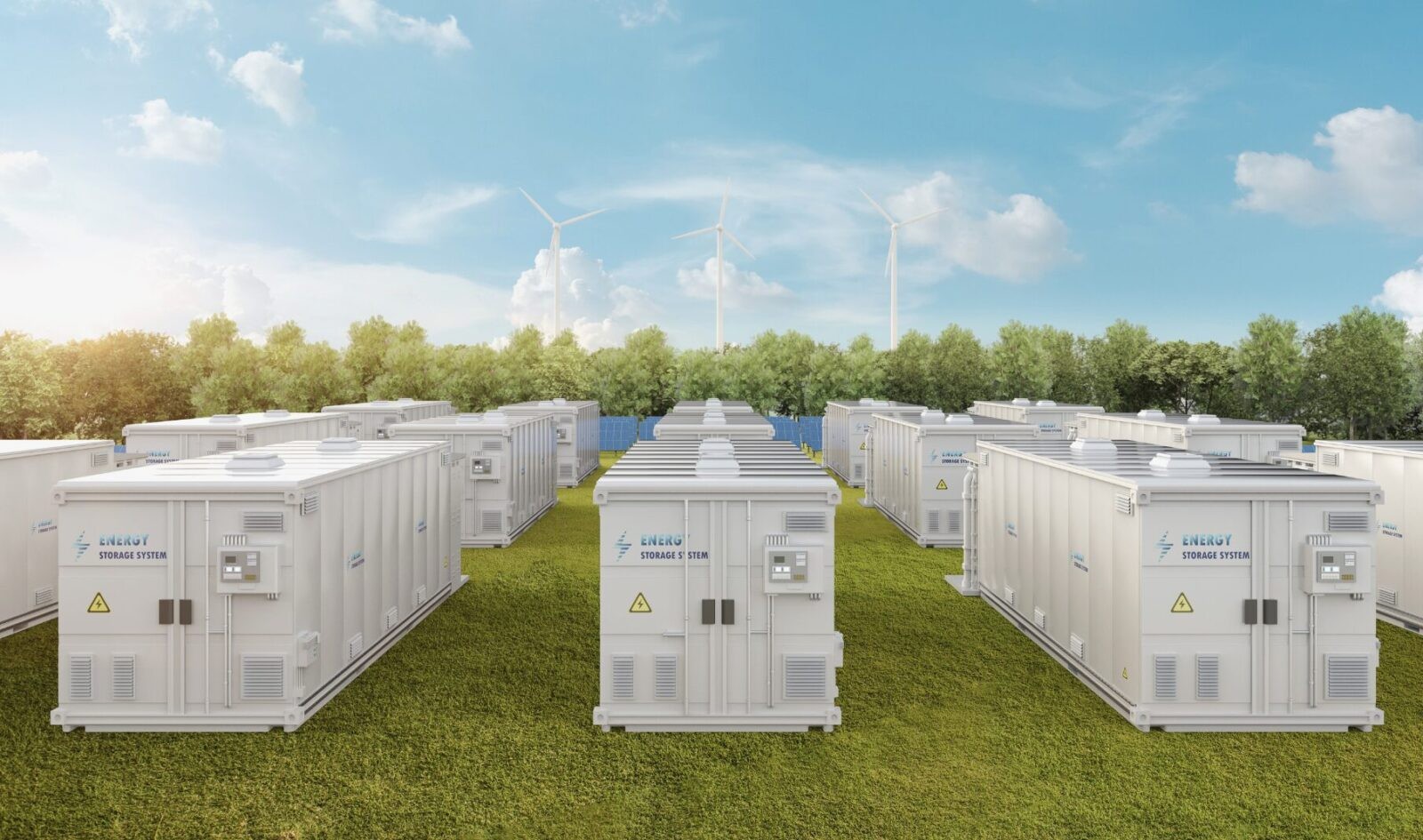
A Battery Energy Storage System (BESS) stores electrical energy in batteries for later use, often to support grid stability, integrate renewable energy sources, and provide backup power. These systems can shift energy to when it's needed, regulate frequency, and reduce peak demand, especially beneficial for integrating intermittent renewables like solar and wind.
Key aspects of BESS:
- Function:
BESS captures energy from various sources (renewables, grid) and stores it in batteries for discharge when needed.
- Grid Support:
They enhance grid stability by providing frequency regulation, voltage support, and peak shaving.
- Renewable Integration:
BESS enables the use of renewable energy sources by storing excess energy produced during peak generation and releasing it when demand is high.
- Components:
A BESS typically includes batteries, a power conversion system (PCS), a control system, and a thermal management system.
- Types of Batteries:
Lithium-ion, lead-acid, flow batteries (redox, zinc-bromine) are common choices.
- Applications:
BESS finds applications in off-grid and remote areas, commercial/industrial facilities, and community-scale microgrids.
- Benefits:
Increased reliability of renewable energy, reduced reliance on fossil fuels, and potential for cost savings.